
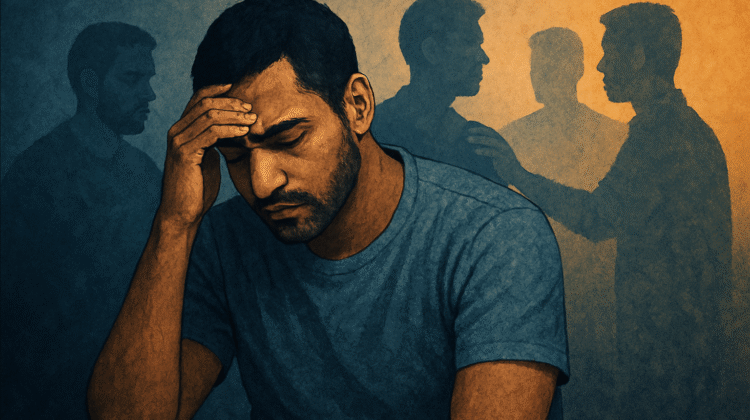
Breaking the Silence: Why Men’s Mental Health Matters in the Fight Against Domestic Violence
In 2025, the mental-health conversation is finally expanding to include men. Online interest in therapy for men has grown dramatically over the past five years, reflecting a broader cultural shift: brands, media and therapists are actively promoting men’s emotional well-being and challenging long‑held stigmas.
For crisis centres like Thompson Crisis Centre, this trend is more than a headline—it is an opportunity to strengthen our mission to eradicate family violence. Addressing the mental-health needs of men is vital because harmful masculine behaviours and norms that privilege men are recognised risk factors for intimate partner violence. When men are taught that vulnerability is weakness, they are less likely to seek help and more likely to react with anger or violence. Building a culture that encourages men to talk about their feelings and seek support helps break cycles of abuse.
The Hidden Toll: Men’s Mental Health and Domestic Violence
While most domestic violence survivors are women, men can also be victims—and their experiences are often overlooked. The CDC reports that about one in three men in the United States have experienced contact sexual violence, physical violence or stalking by an intimate partner during their lifetime. Nearly one in ten men have experienced sexual violence, physical violence and/or stalking with intimate-partner-violence-related impact. Fear, safety concerns and symptoms of post-traumatic stress disorder are common effects.
Despite such prevalence, men are less likely than women to seek care. Nearly one in five men live with a mental‑health condition, yet stereotypes about masculinity discourage them from opening up or displaying vulnerability. In one study, men with high levels of depressiveness were significantly less likely to share their feelings with loved ones. Social pressures and gender norms lead many men to view seeking help as a sign of weakness, which can delay intervention until crises arise. Men are also more than twice as likely to die by suicide as women.
This reluctance to seek help has consequences for families. Undiagnosed depression can manifest as irritability, anger or risky behaviours. Substance‑use disorders—1.5 to 2.3 times more common in men—often accompany violence at home. When men remain silent about their mental-health struggles, those feelings can explode as harm toward partners or children. Conversely, unaddressed trauma from experiencing violence can spiral into self‑blame, isolation and continuing cycles of abuse.
Why Focusing on Men’s Mental Health Can Prevent Abuse
1. Breaking Stigma and Encouraging Help‑Seeking
Stigma is a formidable barrier. Encouraging men to reach out—whether to friends, family or professional counselors—reduces the likelihood of bottled‑up emotions turning into violence. Promoting empathy and vulnerability helps dismantle the harmful norm that men must be stoic. Public education campaigns that highlight stories of male survivors and advocates can inspire others to seek help.
2. Addressing Harmful Masculine Behaviours
The World Health Organization identifies harmful masculine behaviours and community norms that privilege men over women as key risk factors for intimate partner violence. Teaching boys and men about healthy masculinity—respect, consent, empathy and emotional regulation—can prevent violence before it starts. Programmes that combine social-emotional learning with discussions of gender equality help reshape attitudes early.
3. Providing Accessible Mental‑Health Services for Men
Access matters. Many men avoid therapy because of cost, scheduling or fear of judgment. Expanding low‑barrier counselling services, peer‑support groups and digital resources can provide alternatives. However, technology alone is not a panacea. AI‑driven chatbots may offer convenience and anonymity, but they lack genuine empathy and are not equipped to handle crises. Human counselors provide the warmth, nuanced understanding and crisis intervention skills that technology cannot.
Thompson Crisis Centre’s 24‑hour crisis line and counselling services offer confidential support for anyone in crisis—including men. Our 24‑hour crisis line provides immediate assistance, while counselling and support programs help individuals process trauma and learn healthy coping strategies. By normalising the idea that men can and should call a crisis line, we remove barriers to help.
4. Building a Consent Culture and Healthy Relationships
Violence prevention isn’t only about intervention; it’s about education. A culture of consent teaches that every person’s autonomy matters. Consent must be freely given, reversible, informed, enthusiastic and specific. Early consent education normalises bodily autonomy, encourages empathy and gives youth language to identify red flags in relationships. When men understand and respect boundaries, they are less likely to perpetrate violence. Furthermore, by promoting respectful communication within families and communities, we create environments where everyone feels heard.
How You Can Take Action
- Listen and believe men who speak up. If a male friend or loved one shares his struggles or discloses abuse, offer empathy without judgment. Men often fear that vulnerability will be dismissed.
- Share our resources. Encourage men to call our 24‑hour crisis line or explore our counselling and support services for confidential help. Knowing that professional, non‑judgmental support is available 24/7 can be life‑saving.
- Challenge harmful norms. Speak out against jokes or comments that equate masculinity with violence or emotional suppression. Teach boys that asking for help is a strength.
- Support consent education and community programmes. Advocate for comprehensive consent education in schools and support organisations that provide training on healthy relationships.
- Donate or volunteer. Contributions help us provide shelter, counselling and advocacy for people of all genders experiencing violence.
The current spotlight on men’s mental health is a welcome shift. It shows that society is ready to confront the stereotypes that harm everyone. Embracing men’s emotional well‑being and dismantling harmful gender norms are essential steps in preventing domestic violence. Studies indicate that early exposure to violence and harmful masculine behaviours are risk factors for perpetrating and experiencing intimate partner violence. By offering compassionate, accessible support and fostering healthier models of masculinity, we can help men heal and, in turn, make our families and communities safer.
At Thompson Crisis Centre, we believe every person deserves to be seen, heard and supported. If you or someone you know is struggling—regardless of gender—reach out. You are not alone, and together we can end the cycle of violence.