When It Feels Like Too Much: How to Recognize a Mental Health Crisis and Get Help in Canada
There are moments when life doesn’t fall apart all at once.
It unravels quietly.
You wake up tired even after sleeping. Small decisions feel heavier than they should. Emotions that once came and went now linger — louder, sharper, harder to ignore. You tell yourself it’s just stress, just a phase, something you’ll push through, because that’s what you’ve always done.
But sometimes, what you’re experiencing isn’t “just a bad week.”
It may be a mental health crisis, and recognizing it early can make a real difference.
This article is for anyone who feels overwhelmed, for those worried about a loved one, and for people who aren’t sure whether what they’re experiencing is serious enough to ask for help.
What Is a Mental Health Crisis?
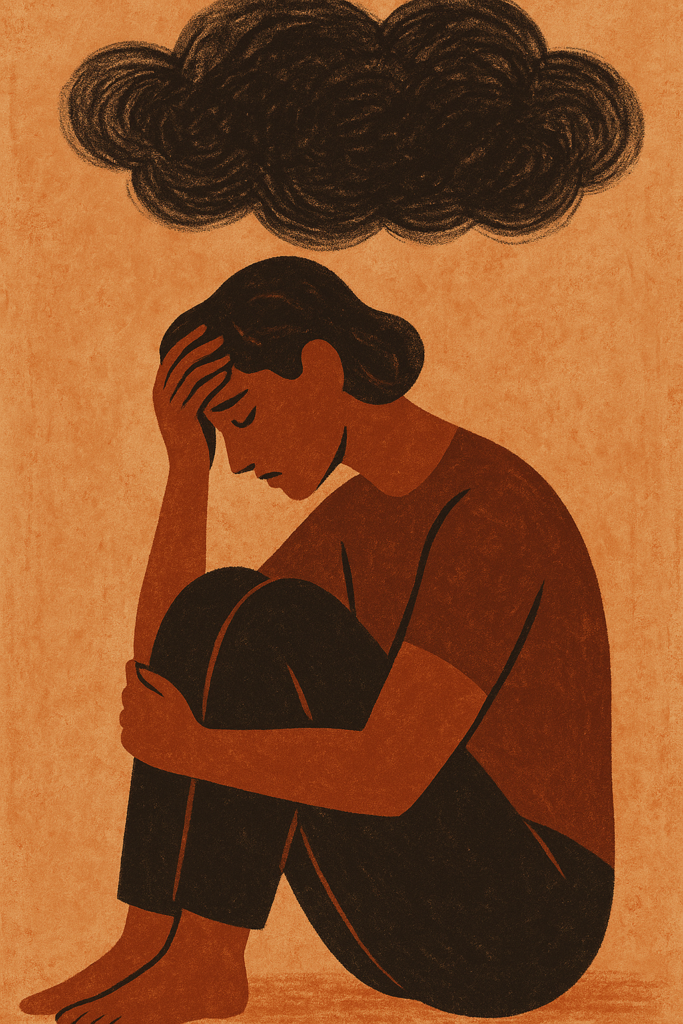
A mental health crisis occurs when emotional or psychological distress becomes too intense to manage on your own.
It doesn’t always look dramatic. It doesn’t always involve emergencies or visible breakdowns. Often, it shows up quietly — as a sense that something inside you is no longer coping the way it used to.
A crisis may be triggered by:
- Ongoing stress or burnout
- Trauma or experiences of abuse
- Grief or major life changes
- Relationship conflict or separation
- Financial or housing insecurity
- Mental health challenges that suddenly feel overwhelming
In Canada, people from all walks of life experience mental health crises. Experiencing one does not mean you are weak. It means you are responding to real strain.
Common Signs of a Mental Health Crisis

Everyone experiences distress differently, but certain signs may indicate that someone is struggling more than usual.
Emotional signs
- Feeling overwhelmed, hopeless, or emotionally numb
- Persistent anxiety, panic, or fear that doesn’t ease
- Ongoing sadness or frequent crying
- Feeling like a burden to others
Mental and behavioural signs
- Difficulty concentrating or making decisions
- Withdrawing from friends, family, or daily routines
- Increased irritability, anger, or emotional outbursts
- Using alcohol or substances to cope with emotions
Physical signs
- Significant changes in sleep patterns
- Loss of appetite or sudden changes in eating habits
- Ongoing fatigue, headaches, or unexplained aches
Signs that need immediate attention
- Thoughts of self-harm or suicide
- Feeling unsafe with yourself
- Talking about life feeling unbearable or pointless
- Giving away belongings or saying goodbye in unusual ways
If these signs sound familiar — in yourself or someone else — it’s important to take them seriously.
“Am I Really in a Crisis?” — A Common Question
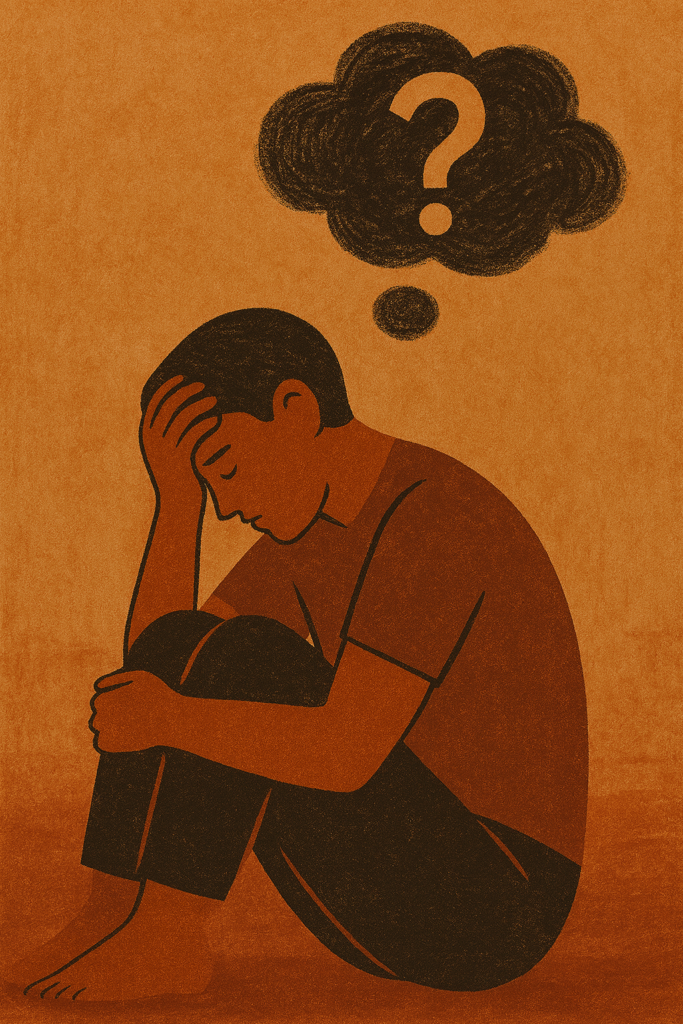
Many people hesitate to seek help because they believe their pain isn’t “bad enough.”
They compare themselves to others.
They worry about overreacting.
They tell themselves to wait it out.
But mental health professionals agree on this: you do not need to reach a breaking point to deserve support.
If you’re wondering whether what you’re feeling counts as a crisis, that question itself matters. Paying attention early can prevent things from becoming more overwhelming later.
What to Do If You’re in a Mental Health Crisis
If you’re struggling right now, you don’t need to solve everything at once. Focus on what can help in this moment.
Reach out for support
Talking to someone trained to listen can reduce the intensity of what you’re experiencing. You don’t need to have the right words — you just need to start.
Prioritize safety
If you feel at risk of harming yourself or someone else, seek immediate help. Your safety matters more than fear, hesitation, or uncertainty.
Take grounding steps
Simple actions — slowing your breathing, sitting with someone you trust, or moving to a calmer space — can help steady overwhelming emotions until additional support is available.
Mental Health Crisis Support in Canada
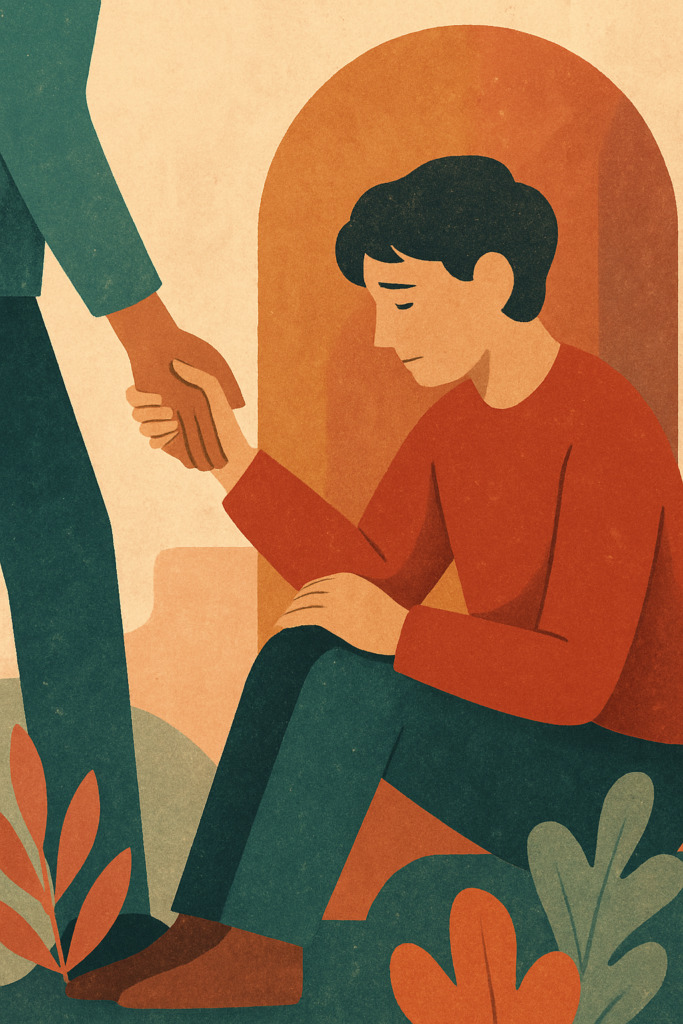
If you or someone you care about needs help, confidential crisis support is available across Canada (with safety exceptions when there is immediate risk).
- Call 911 if there is immediate danger.
- 9-8-8 Suicide Crisis Helpline (Canada)
Available 24/7, free, and accessible anywhere in Canada
Community-based crisis centres across the country also provide emotional support, crisis intervention, and connections to longer-term resources.
Local Support Matters
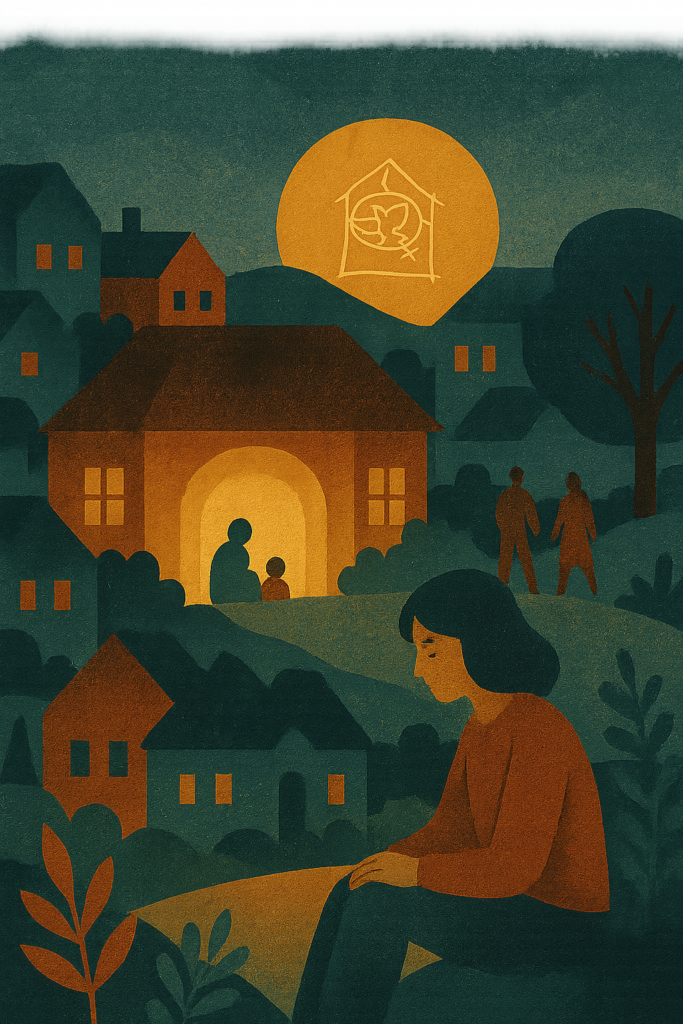
Alongside national crisis services, local, community-based support can play an important role during difficult moments.
In Thompson and surrounding areas, Thompson Crisis Centre offers crisis support and resources for individuals and families experiencing emotional distress, relationship violence, or personal crisis. Accessing local support can provide not only immediate help, but also guidance toward ongoing care and recovery within the community.
If You’re Supporting Someone Else in Crisis
Supporting someone who is struggling can feel overwhelming. You may worry about saying the wrong thing or not knowing how to help.
What often matters most is:
- Listening without judgment
- Taking their feelings seriously
- Encouraging professional support
- Remembering that you don’t have to handle it alone
You don’t need to have all the answers. Being present and helping someone access support can be enough.
You’re Not Failing — You’re Responding to Pain
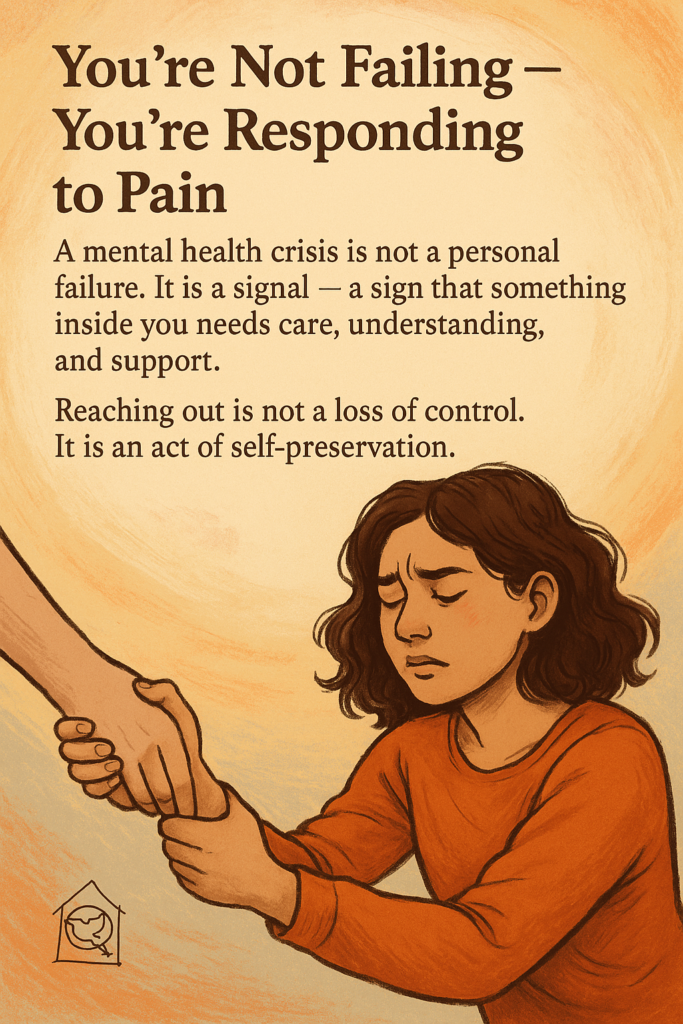
A mental health crisis is not a personal failure. It is a signal — a sign that something inside you needs care, understanding, and support.
Reaching out is not a loss of control.
It is an act of self-preservation.
If today feels like too much, help is available. You are not alone, and support exists — right now, when you need it most.